A Small Plant Swap, With Good Labels and Thoughtful Sharing
The best thing to send home with a plant is useful information about what it is and how it grows.

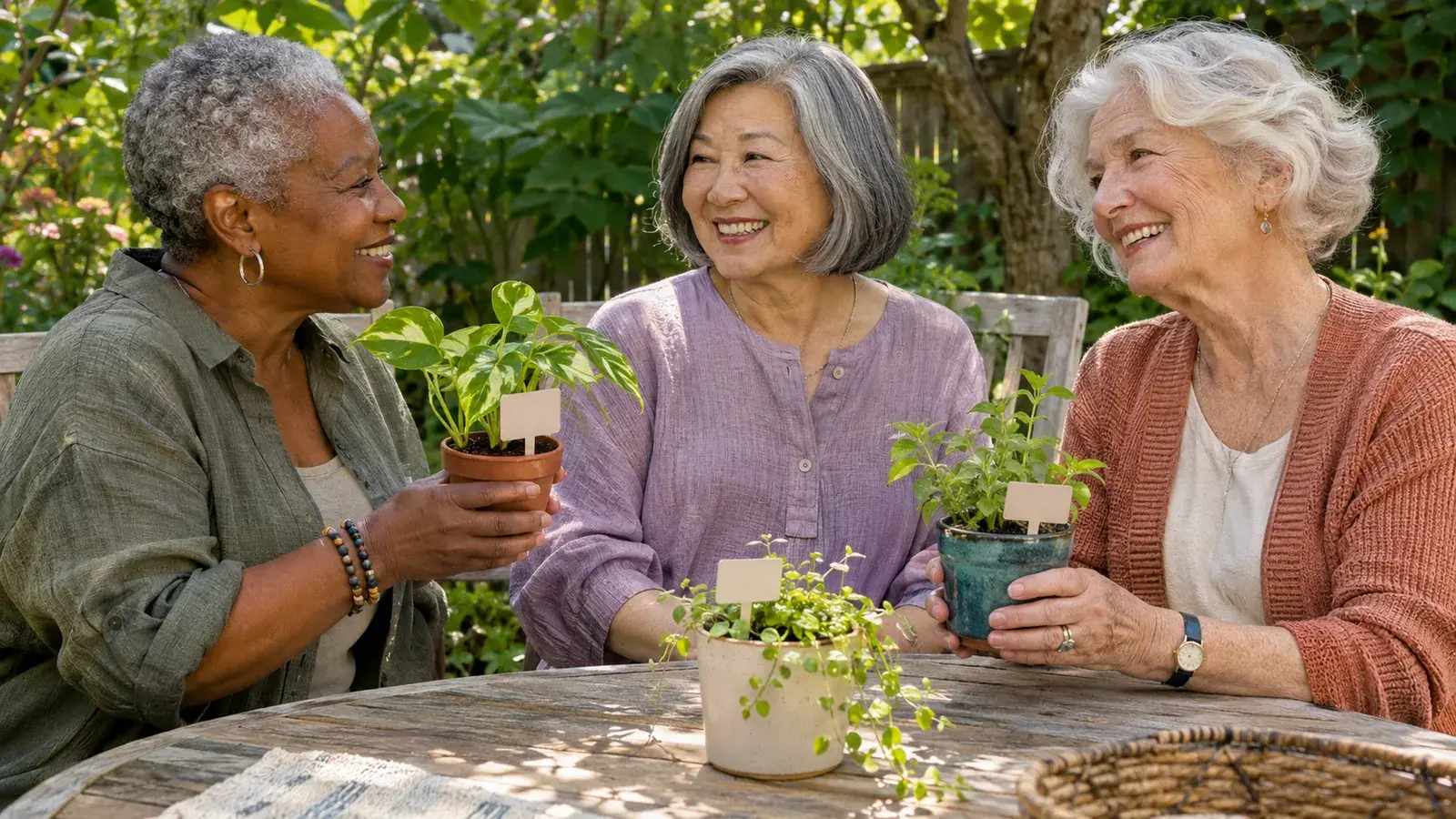
A plant swap can be as small as three friends, a few suitable plants, and time to talk about what has grown well. It does not need the scale or rules of a public sale. It does need good information.
The pleasure of sharing a plant should extend beyond the moment it changes hands. A clear label, an honest description, and sensible care with soil can save the recipient a good deal of uncertainty.
Agree on what belongs at the swap
Ask people to bring only plants they can identify and are permitted to propagate and share. Exclude invasive or locally restricted species, and check local extension or agricultural guidance when there is doubt. “It grows everywhere in my yard” is a reason to investigate, not necessarily a selling point.
Do not bring plants with suspected disease or pest problems. Avoid moving soil or plant material from an area known to have a relevant pest issue. If identification is uncertain, keep the plant out of the exchange until someone qualified can help identify it.
Decide whether participants may simply give plants away or whether each person will choose something in return. There is no need to make the exchange equal in size or monetary value.
Pay attention to what travels with the roots
Plants can carry more than leaves. Soil and other material may transport pests or weed seeds. University of Minnesota Extension’s jumping-worm guidance includes recommendations for plant sales, such as avoiding suspect sources and using appropriate bare-root or clean-potting-mix practices.
Follow guidance relevant to your location and plants. Cleaning or washing is not a guarantee that a plant is pest-free, and a plant should not be stressed or handled inappropriately simply to fit an improvised rule. When in doubt, share knowledge or photographs instead of material.
Keep incoming plants separate from your established collection while you inspect and monitor them as appropriate. Ask local experts about a suitable approach for the species and potential pests involved.
Give each plant a useful card
Include the information you actually know:
- Common name and botanical name, if reliably identified.
- Variety, if documented; otherwise leave it unspecified.
- Whether it is a rooted plant, a division, or an unrooted cutting.
- The light and watering conditions in which it has been growing.
- Expected mature size and whether it spreads readily, where known.
- The date it was divided or propagated and any immediate care it needs.
Distinguish your experience from universal advice. “This has done well in my afternoon shade” is more precise than “This grows anywhere.” Do not invent a variety name to make the label look complete.
Make the gathering easy
Use a surface that can be cleaned and protect it appropriately. Keep each plant with its label. Provide a place for conversation that does not require everyone to stand around the plants throughout the visit.
Allow people to decline. A plant that does not suit someone’s light or available space is not a good gift merely because it is free. Agree in advance that unclaimed plants return home with the person who brought them.
The archive’s gardens of friends and neighbors captures the interest of seeing what others grow. A swap can continue that conversation, with the care and clarity that make sharing worthwhile.
Know someone who would enjoy this?