Making New Friends After 60 Starts With Seeing People Again
A familiar face and a second conversation can be a gentler beginning than trying to find an instant best friend.

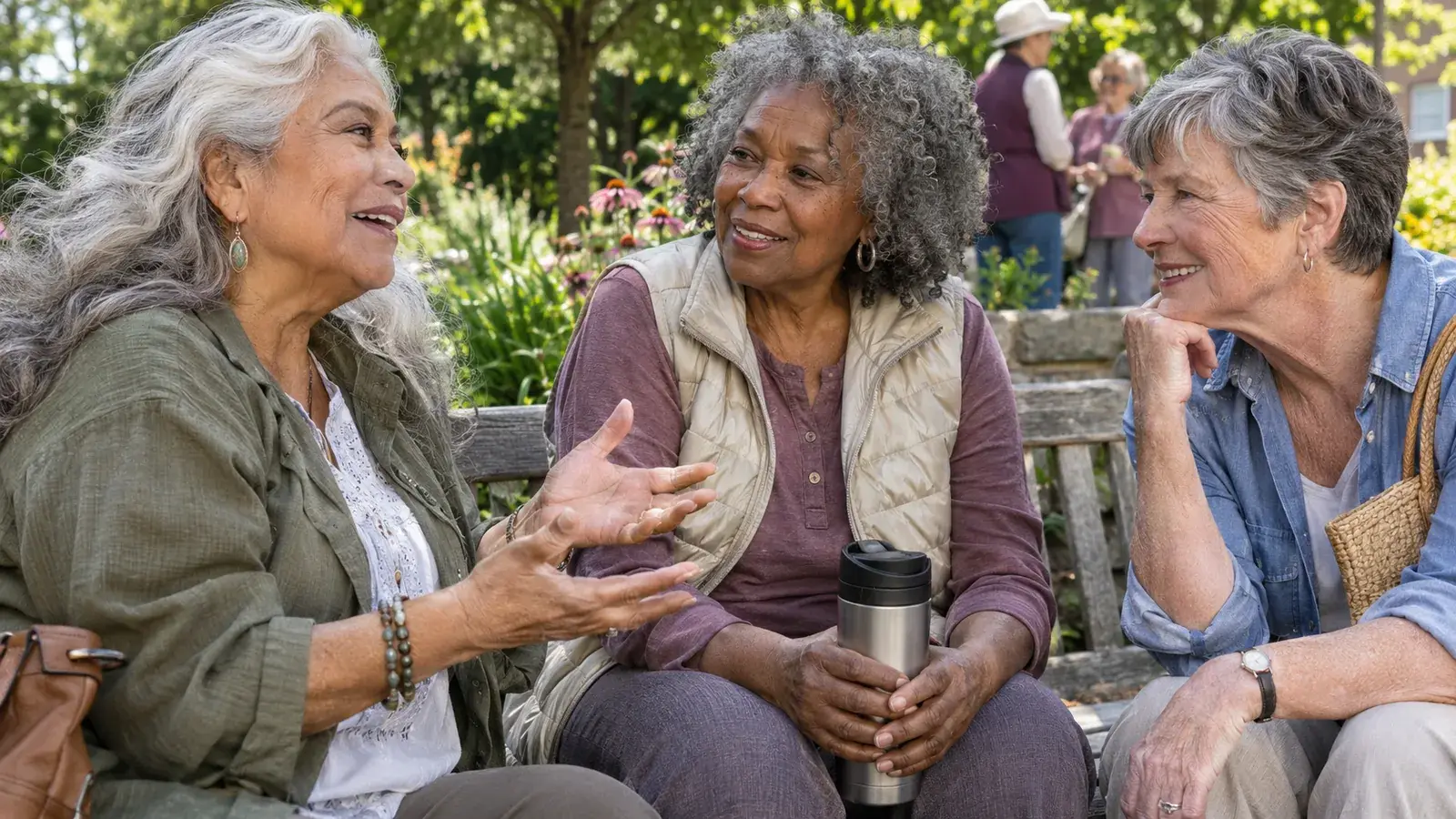
Meeting someone once and building a friendship are different things. A pleasant conversation can end without a natural reason to continue it. That is why an activity you can return to may be more useful than an event whose only purpose is to meet people.
Choose a setting you would enjoy even if friendship takes time. Repeated contact gives you more opportunities to learn whether you like each other’s company; it is not a guarantee, and it does not need to be rushed.
Look for a place where conversation can recur
A regular class, volunteer shift, reading group, garden activity, or neighborhood gathering can provide a shared subject and another chance to speak. Consider the practical fit as carefully as the interest: cost, transport, schedule, access, and the size of the group.
If a group feels overwhelming, a smaller recurring activity may suit you better. If a very small group feels closed, try a setting with an established way to welcome newcomers. You do not have to keep attending somewhere that consistently makes you feel unwelcome.
Ask the organizer what a typical session is like. Knowing whether people work silently, mingle, or share a task can help you choose a setting where conversation is likely to feel natural.
Make the second conversation specific
You do not need a brilliant opening. Remembering a small detail can be enough: “Did you finish the book you mentioned?” or “How did that plant do after you moved it?”
Share something about yourself as well as asking questions. A friendship needs room for both people, and a conversation can start to feel like an interview if one person only asks.
Avoid treating a brief exchange as a test of whether someone likes you. People may be distracted, tired, or slow to warm up. Notice the pattern over time instead of interpreting every pause.
Offer a small next step
After several comfortable conversations, suggest something connected to the shared activity: coffee afterward, another local event, or a short walk at a suitable time. Give the invitation enough detail to be answerable.
If the person declines, leave room without pressure. You can remain friendly without repeatedly pursuing a plan. If they suggest another time or initiate contact themselves, that gives you something to build on.
Keep early meetings in settings you are comfortable with and share personal information gradually. An online acquaintance deserves the same thoughtful pace as any other new connection.
Allow different kinds of friendship
Some people become close confidantes. Others are wonderful companions for a particular activity. Both can add something worthwhile to your life.
You may also reconnect with an old acquaintance whose life now overlaps with yours. A new friendship does not have to begin with a stranger. A short message about a genuine shared interest is enough to see whether the other person would welcome a conversation.
Keep your own capacity in view. You do not need a crowded social calendar to prove that you are doing well. One relationship that grows at a comfortable pace may be more meaningful than many connections you struggle to maintain.
For the next step, choose one activity you would genuinely like to repeat. Give the people there time to become familiar, and let the conversation develop from what you already share.
Know someone who would enjoy this?