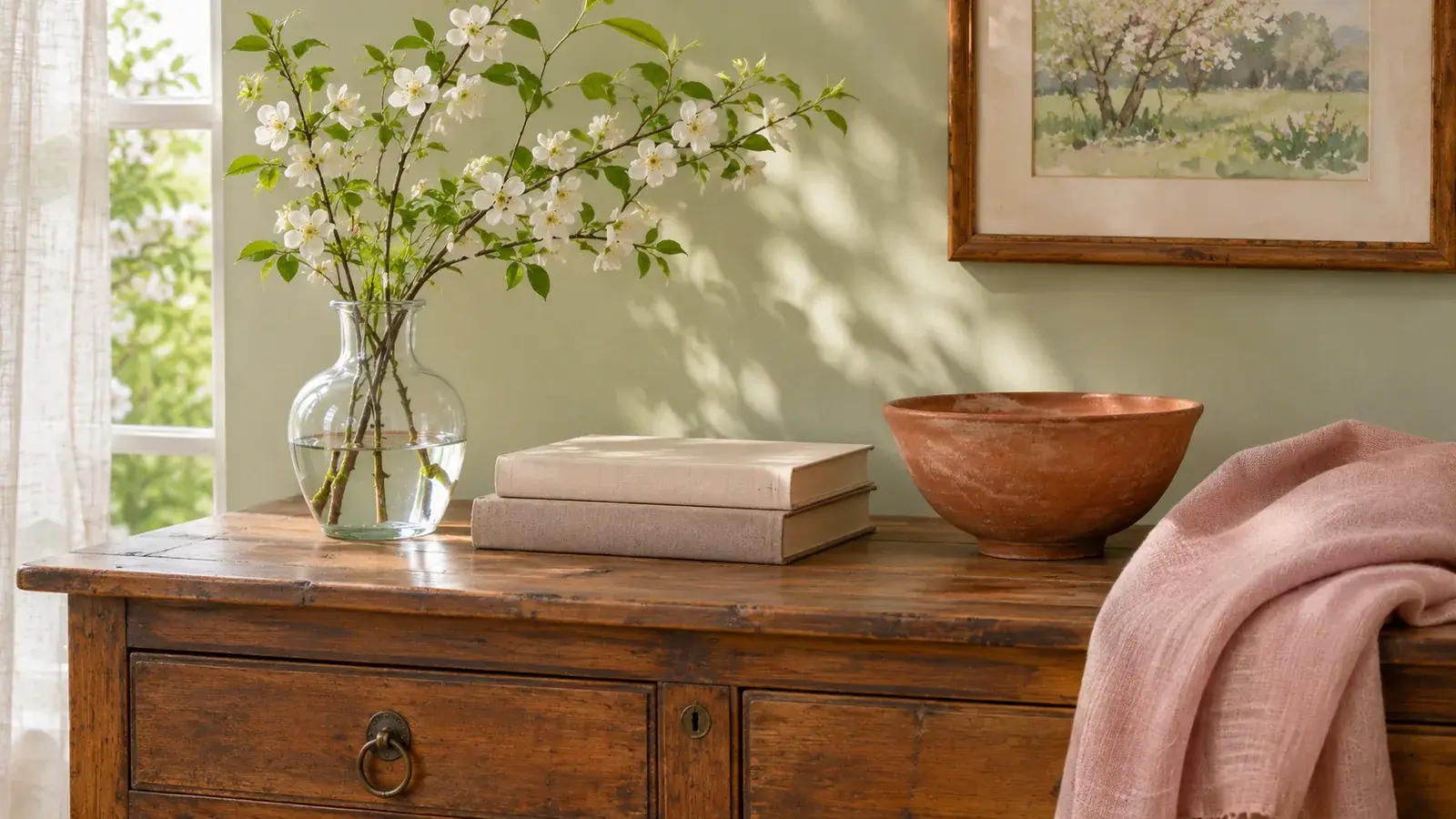
A Place for Old China, With a Little Care
A treasured plate can be part of the room even when it should not be part of the meal.

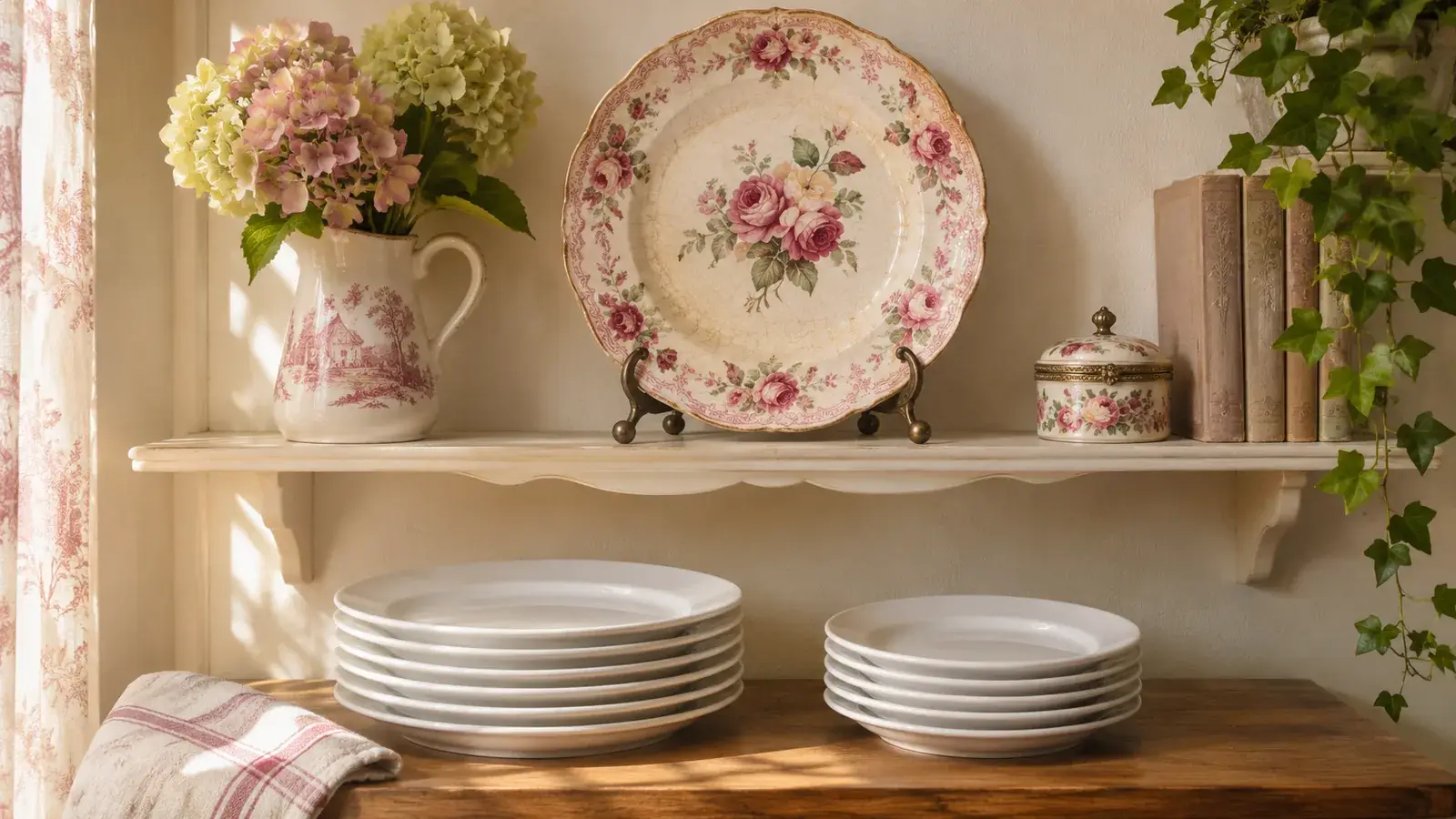
An inherited set of china can occupy a great deal of cupboard space while appearing only in the story of who once owned it. Bringing a few pieces back into view can be a pleasure. Bringing them back into food service requires a different decision.
Start by separating those two possibilities. A plate does not have to hold dinner to be useful or loved.
First, establish what the pieces are suitable for
Age, appearance, and an unbroken surface do not establish food-use safety. The FDA’s guidance on lead-glazed pottery identifies antique, damaged, and uncertain-origin ceramicware among types that warrant particular attention. Decorative pieces should not be used for food simply because they resemble dinnerware.
Look for reliable manufacturer information about the specific ware and its intended use. A maker’s mark can help with identification, but identifying a pattern is not the same as confirming a particular piece is suitable for food. If suitability remains uncertain, use it decoratively and choose known food-safe dishes for meals.
Do not rely on a lack of visible damage, a family history of use, or a quick home test to settle every question. Keep chipped or cracked pieces out of everyday food service.
Choose the role before the arrangement
The piece is confirmed suitable for food and has appropriate care guidance
Consider using a few pieces with everyday dinnerware.
The piece is decorative or its food-use suitability is uncertain
Display it away from food preparation and serving.
The piece is fragile, damaged, or valuable
Seek appropriate conservation advice before handling or mounting it.
A small decorative plate can lean in a suitable, secure stand inside a cabinet. A teacup of uncertain food-use safety might hold nothing at all and still be lovely on a shelf. There is no need to find an improvised use for every object.
Mix by one shared detail
For pieces appropriate for the table, begin with a simple combination. A patterned side plate can sit beside a plain dinner plate. A repeated color in the napkin or flowers can connect different patterns without making them match.
Set one place before arranging the whole table. Check whether glasses and cutlery fit comfortably and whether the pattern still feels pleasing once food is present. Let practical space guide the arrangement.
Our archive’s spring and summer tablescapes can offer color ideas, but the suitability of any particular old dish must be established separately.
Make the care realistic
Follow care instructions for the specific pieces. Do not assume older decoration is dishwasher- or microwave-safe, and avoid improvised cleaning treatments on unfamiliar glazes or metallic decoration. A delicate piece that you dislike caring for may be better displayed than used frequently.
When storing, avoid unstable stacks and make the pieces you use easy to reach. Keep a note of the pattern, maker, provenance, and any verified care information with your household records.
You may choose only two pieces from a large set for regular display. That is not a judgment on the person who treasured it before you. It is a way to give those objects a place in the home you live in now.
Know someone who would enjoy this?