Move to a Smaller Home Without Making Life Feel Smaller
The first decision is what you want to keep doing, not how many things you can get rid of.

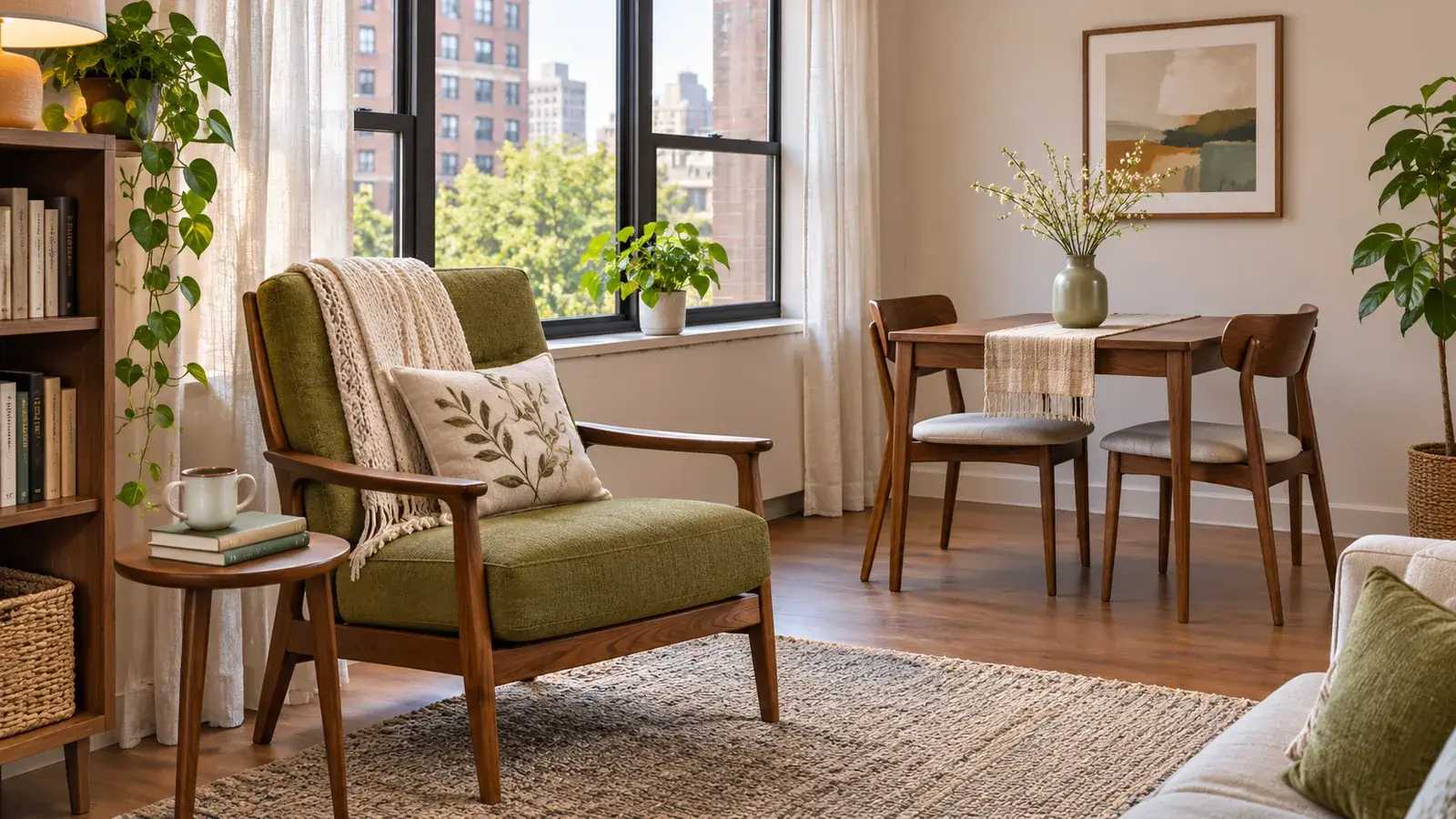
When a move involves less space, the first conversations often concern furniture: which table will fit, how many boxes to pack, what must go. A more useful beginning is the life those things support.
Do you want to keep having a friend to lunch? Read by a window? Work on a hobby without clearing it away every night? Name those priorities before deciding what earns a place in the new home.
Plan around a few ordinary days
Imagine a weekday morning, an afternoon at home, and a small visit. Write down what you would use in each. The list may reveal that a comfortable chair and a useful table matter more than a matching suite of furniture.
Give recurring activities priority over rare possibilities. If a large dining table is used twice a year but leaves no room for your daily hobby, consider whether a different arrangement would serve you better. This is a preference decision, not a rule against keeping a beloved table.
Include storage in the picture. A room can accommodate the furniture and still lack a sensible place for the things you use with it.
Measure what matters
Get reliable room measurements and note doors, windows, radiators, outlets, and built-in storage. Measure the furniture you are seriously considering, including the space needed to open drawers and use chairs.
Check the route into the home as well as the room itself. Doorways, stairs, elevators, and turns can affect whether an item can be moved in. Ask the mover or relevant professional about anything uncertain rather than assuming it will work because the room is large enough.
A rough paper layout can expose awkward choices before moving day. Keep routes usable; furniture that technically fits can still make everyday movement inconvenient.
Separate meaning from obligation
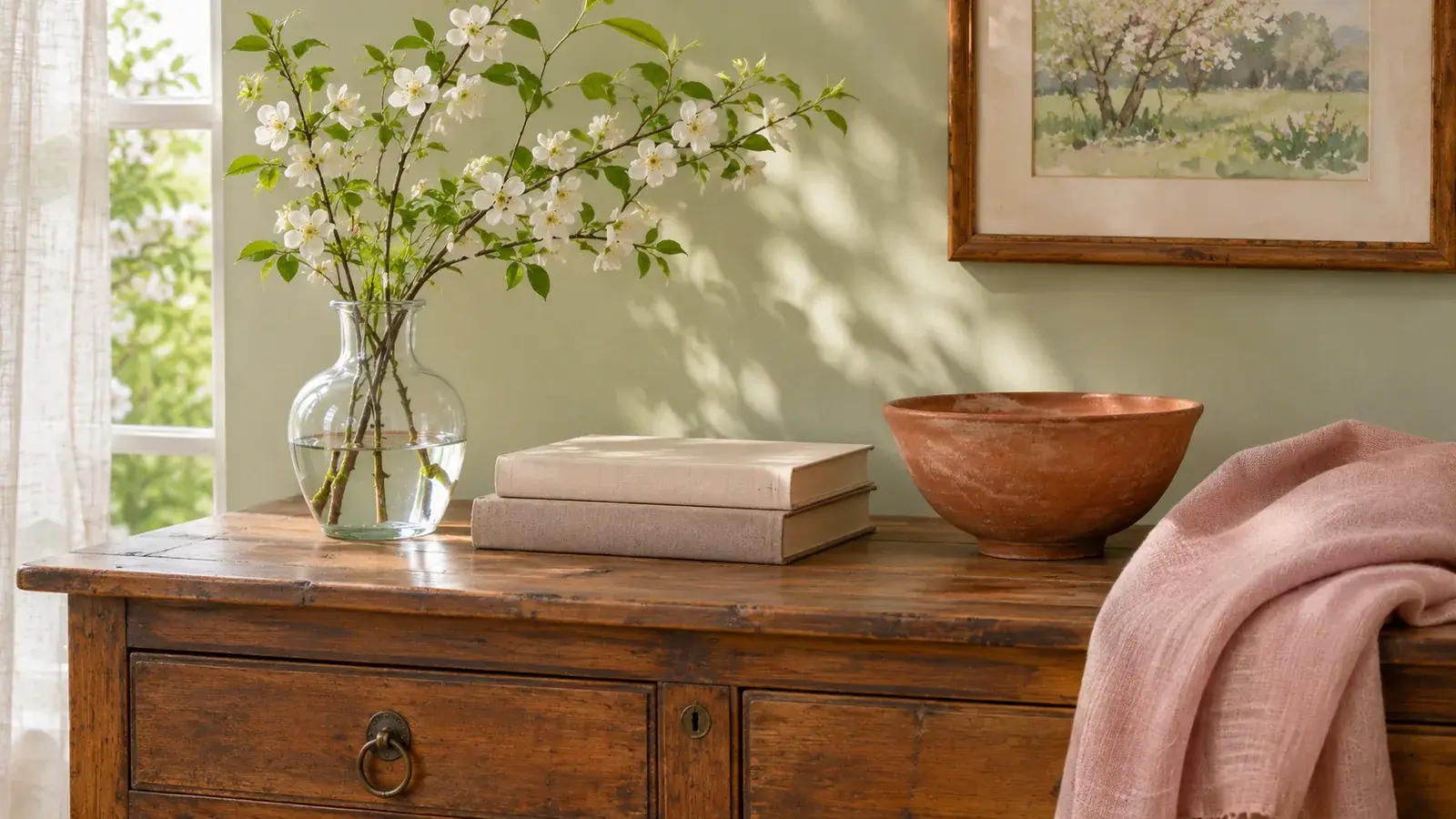
Choose the objects you genuinely want to encounter in the new space. Some may be valuable, but others may be an ordinary bowl, a photograph, or a small piece of furniture associated with a good period of life.
You do not have to preserve a whole collection to keep its story. Select a few pieces, record what you know, and offer others to people who actually want them. Ask rather than assuming family members have the space or desire to take everything.
The archive’s vintage finds can be useful inspiration for giving a single object presence. A smaller room often rewards that kind of selectivity.
Delay a few decisions where practical
Some choices become clearer after living in the new place. If feasible within your budget and moving arrangements, leave a limited decision window for uncertain items rather than committing to indefinite storage.
Label boxes by where the contents will be used, and identify what you need immediately: bedding, ordinary dishes, basic clothing, and the materials for one comforting routine. Being able to make coffee or sit with a book can make the first days feel more settled.
Do not rush to fill every blank space with new purchases. Notice where you naturally sit, what you keep reaching for, and which surfaces attract clutter.
A smaller home can still hold your taste, your visitors, and your interests. The measure of the move is not the number of things removed. It is how well the things you keep help you live there.
Know someone who would enjoy this?