Learn Something You Don’t Have to Be Good At
Being a beginner can be more enjoyable when the activity does not have to become an achievement.

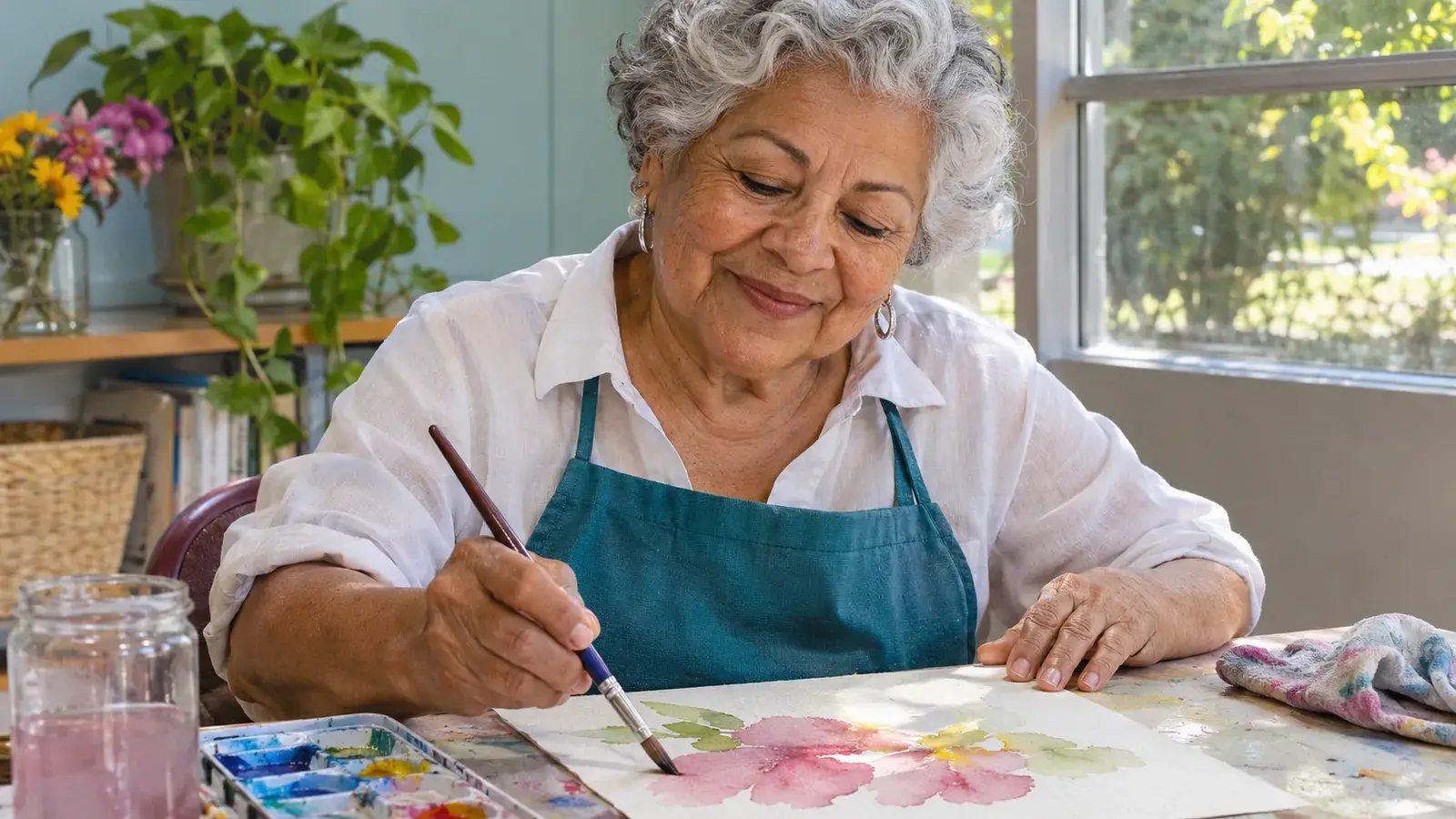
There is a particular freedom in doing something without being responsible for doing it well. After years of being the person who knows how things work, becoming a beginner can feel awkward—and unexpectedly refreshing.
You do not have to discover a hidden talent. You may simply want an hour spent making, learning, or paying attention in a different way.
Choose curiosity over self-improvement
Ask what you would like to try if nobody expected a result. Drawing a leaf? Learning a few dance steps? Understanding how a camera works? Repairing a small piece of clothing?
Choose the activity itself, not the imagined finished identity. Wanting to spend time with clay is a useful reason to try pottery. Feeling that you should become a more creative person is a much heavier assignment.
If several things appeal, pick the one with the easiest first step. A library introduction, a short class, or borrowed materials can reveal whether you enjoy the process before you make a larger commitment.
Ask what “beginner” means
Class descriptions can be vague. Before enrolling, ask whether previous experience is expected, what supplies are needed, and how the session is organized. Find out about seating, room access, breaks, sound levels, or other practical details that matter to you.
A welcoming teacher should be able to explain what a newcomer will actually do. You do not need a guarantee that everything will be easy, but you should know whether the course suits the way you want to learn.
Consider the journey as part of the commitment. A delightful class that requires a tiring drive at an inconvenient hour may be less sustainable than a modest option closer to home.
Set a small, observable aim
Instead of “learn to paint,” try “attend three sessions and learn how to mix a few colors.” Instead of “become a gardener,” try “learn what one plant needs and keep notes for a month.”
That kind of aim gives you something to notice without turning the hobby into a competition. It also makes it easier to change direction. You can enjoy the social part of a class while deciding the activity itself is not for you.
The archive’s garden close-ups could become subjects for a drawing exercise: choose a shape, look closely, and make marks. The drawing does not need to resemble a finished illustration to make the looking worthwhile.
Keep some practice private
You are not required to share every attempt. Putting a first effort online, even among friends, can make an experiment feel like a performance before you know whether you enjoy it.
Keep a notebook or folder if you want to see how your work changes. Date the attempts for yourself. Notice a line you like, a question you can now answer, or a task that feels less unfamiliar.
And allow yourself to stop. Equipment can be passed along, a class can lead to a different interest, and a pleasant afternoon can remain just that. Curiosity does not need to justify itself by becoming a lifelong commitment.
Know someone who would enjoy this?