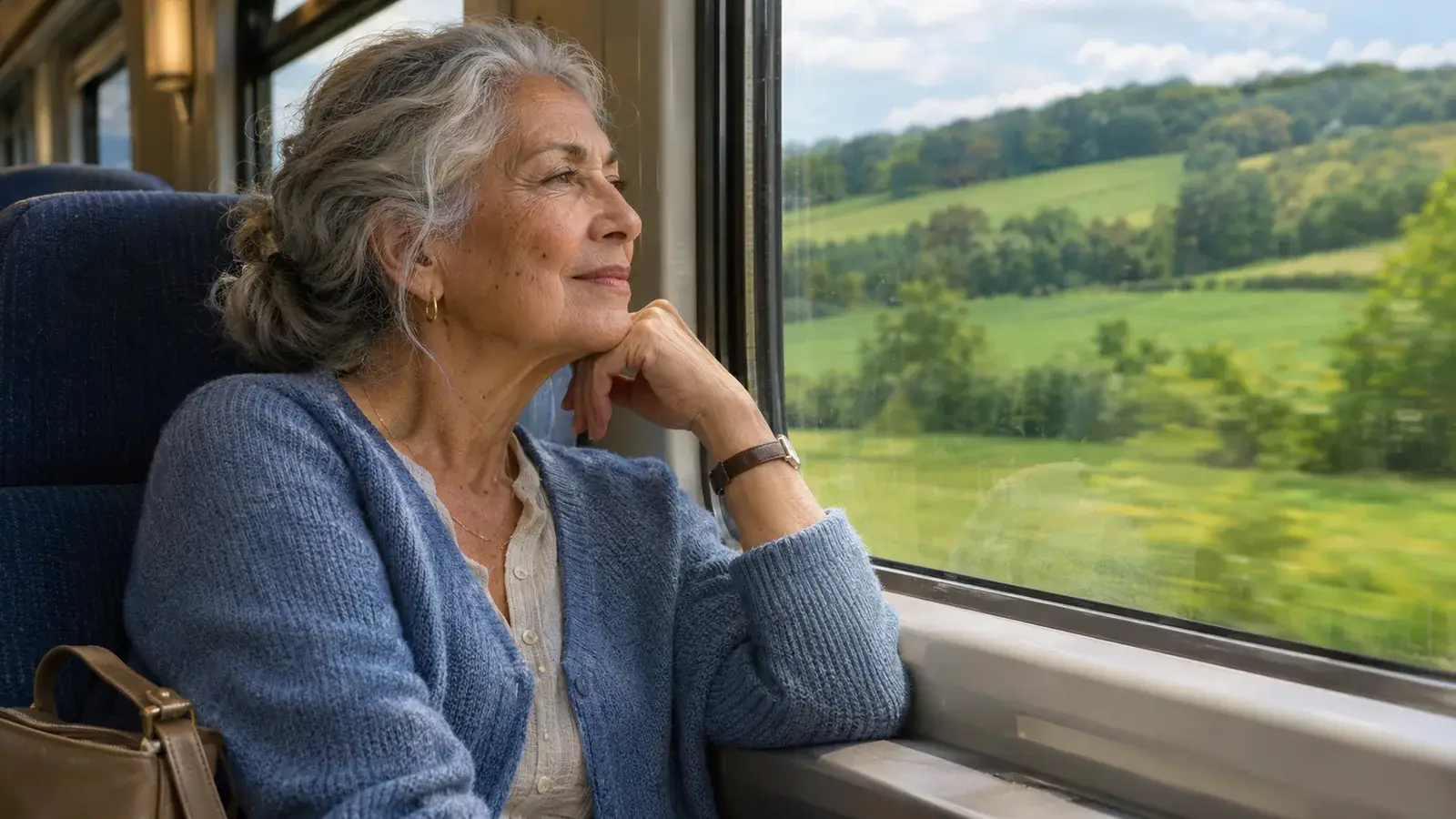
Your First Solo Overnight Trip Can Be a Small One
One night somewhere straightforward can tell you what you enjoy about traveling on your own.

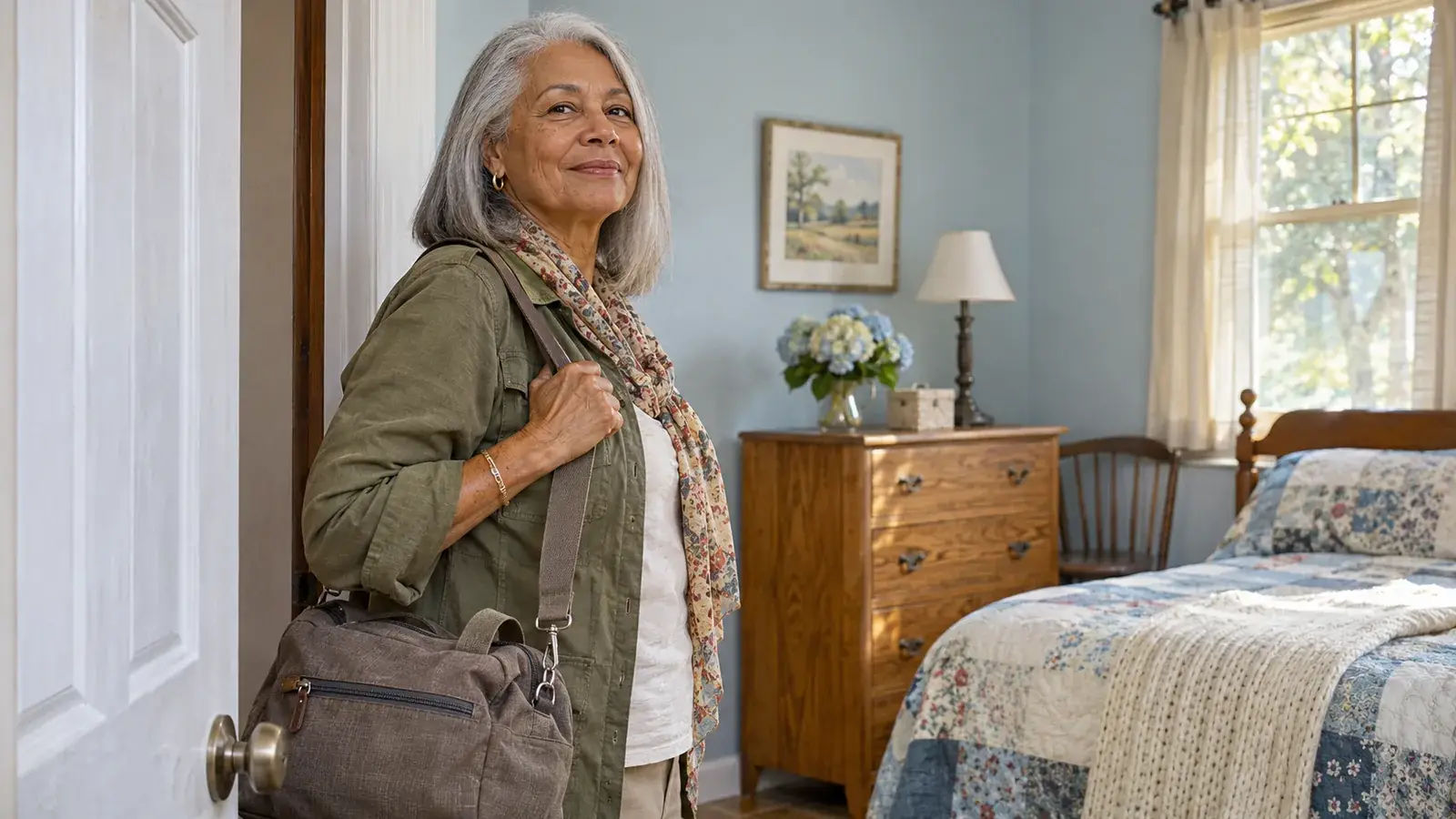
A first trip alone does not need a flight or a distant destination. One night in a place you can reach comfortably may be enough to discover how you like to travel without coordinating every choice with someone else.
Treat it as a modest experiment. Choose a setting that interests you, keep the logistics simple, and leave yourself options.
Pick a destination you can understand easily
A familiar town, a place you have visited for the day, or somewhere with one clear reason to go can be a useful beginning. You might want to visit a museum, browse a garden, or spend time by the water.
Look at the journey from your door to the lodging, not only the distance between towns. Consider driving conditions, arrival time, parking, station transfers, and how you will return. If transportation becomes the most complicated part of the plan, simplify the destination.
Aim to arrive with enough daylight to orient yourself. That is a planning preference, not a guarantee of safety, but it can make an unfamiliar route easier to understand.
Ask lodging questions that affect your stay
Confirm the location, check-in arrangements, cancellation terms, and how to contact staff if you need help. Ask about stairs, elevators, room access, parking, or other features you require. Do not rely solely on a broad label or a flattering photograph.
Think about the evening. Is there a meal option you are comfortable using? Can you return without depending on transport that may be difficult to arrange? A beautiful room is only part of a comfortable stay.
Read current information from the property and compare it with recent guest feedback, recognizing that reviews are individual experiences rather than assurances. Book through a channel you understand and keep the confirmation accessible.
Make a light plan and a backup
Choose one main activity and one alternative for poor weather or a change of mood. You do not have to fill the time simply because you are paying for a night away.
Keep essential details in more than one usable form: lodging address, reservation, transport information, and an important contact number. Share your plan with someone you trust and agree on a reasonable check-in. Avoid broadcasting your precise whereabouts publicly in real time.
Carry the things you ordinarily need, keep your phone charged, and have a practical way to pay if one method fails. If anything about the arrangements feels unsuitable, you can change the plan or leave.
Let the solo part be yours
Eating alone can feel unfamiliar. Choose a setting you would enjoy, whether that is a casual table, a counter seat, or a meal at the lodging. A book is welcome company if you want it; you do not need to appear busy to justify sitting there.
The site’s travel archive may help you identify the kind of outing that appeals—gardens, neighborhoods, shops, or scenery. Use that preference to guide the trip rather than choosing what looks impressive.
After returning, note what felt easy and what you would change: the length of the stay, the transport, the room, or the amount of planned activity. You have useful information for the next trip, whether it is another single night or something longer.
Know someone who would enjoy this?